How Long Can a Parcel Stay in Transit?
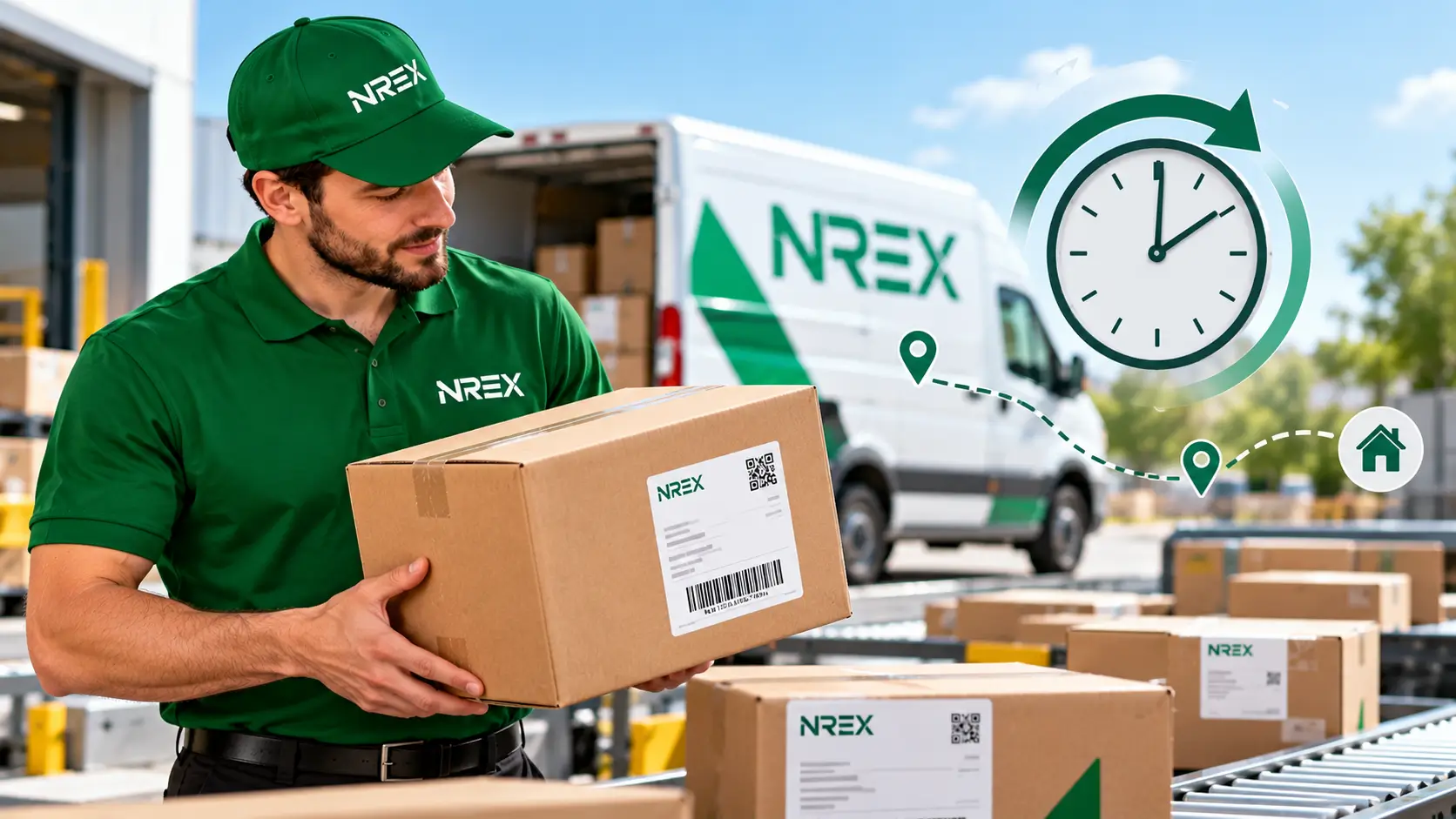
A parcel marked in transit is rarely lost. Usually, it is travelling between scan points, and most delays clear within one to two days. This guide covers timelines, causes and next steps, straight from NREX.
How Long Can a Parcel Stay in Transit in the UK?
A domestic parcel can sit in transit for 5-7 days before real concern is justified, while international shipments may take 10-14 days. Anything beyond the estimated delivery date deserves prompt, proper action, not repeated refreshing.
Quiet stretches of a day or two are ordinary, since tracking only records scans. Time spent travelling between hubs never appears on screen, so a very short pause rarely signals trouble with the parcel itself.
What Does In Transit Really Mean on Parcel Tracking?
Tracking shows scans, not a live position; the last scan can be old. In transit covers any parcel inside the carrier’s network, whereas out for delivery means a vehicle is heading to the shipping address.
NREX pairs each booking with an available driver through automatic route matching on its courier service, trimming hub transfers so the destination stays reachable and every status update remains useful to both sender and recipient.
Typical In-Transit Times by Service, Route and Season
Same-day and next-day options finish quickest, while standard shipping takes longer and distance adds hours. Every service type keeps its own rhythm, so judge a parcel against its booked transit time, not someone else’s delivery.
Do Rural Postcodes Add Delivery Time?
Standard UK domestic runs usually land within 1-2 days, yet rural postcodes often add one more. Anyone wanting certainty can book next day delivery and still follow tracking from collection to the doorstep without guessing.
How Long Do International Parcels Take?
International parcels cross several cross-border handovers, and customs checks differ by origin. Expect 5-10 working days on faster lanes, longer when paperwork is thin, because every inspection quietly adds several days to the whole journey.
Parcels from the EU or beyond also face customs declarations, and a commercial invoice showing the correct value speeds up release. Sellers who skip these steps often leave buyers waiting for several very tense days.
Common Reasons a Parcel Gets Held Up Along the Way
Delays rarely have a single cause. A missed scan, bad weather, a wrong hub or an address problem can each stall a parcel, and spotting exactly which one applies shapes the correct and calmer response.
Why Weekends and Peak Weeks Slow Parcels
A sorting backlog builds fast during peak season, sales peaks and public holidays, while weekends quietly stretch long-haul legs. A Friday collection can look frozen until Monday even though the parcel is still moving along.
Black Friday weeks and Christmas rushes test every courier, so booking early helps. Cut-off times, disruption on motorways and short-staffed depots can each quietly stack a single day onto standard services without any real warning.
Can Customs or Wrong Addresses Stall It?
Customs may hold a parcel over a missing invoice, restricted items or incorrect paperwork, so read the prohibited items list before booking. A wrong postcode or inadequate packaging causes a failed delivery just as often.
When to Worry- The Signs a Parcel Is Genuinely Stuck
Worry begins when the estimated date passes with no movement, or when status reads held, exception, address needed or returning to sender. Those wordings demand action, not simple patience or yet more idle page refreshing.
The table below sums up limits. If a domestic scan stays silent past a week, or a customs hold runs beyond 3-7 days, escalate with the tracking number, ship date and last scan location ready.
Situation | Normal Wait | Best Action |
Domestic, no scan | Up to 5-7 days | Contact the sender |
International, no scan | Up to 10-14 days | Contact the sender |
Customs hold | 3-7 days | Check documents |
Exception status | 1-2 days | Read the detail |
What to Do When Your Parcel Tracking Stops Updating
When your parcel tracking stops updating, sart with the official site rather than guessing. The NREX tracking dashboard shows the newest update, shifting estimated delivery date details and service alerts, which usually explain a short pause before anyone needs to call.
How to Read the Last Scan Properly
Note the place, date and wording of the last scan, then compare it with the estimated date. If the window is still open, check again later; if it has closed, contact the courier without delay.
Who to Contact First- Sender or Courier?
Keep order details, names, tracking number and proof of value together before calling. Ask the seller or sender to open a trace quickly, since they can escalate much faster than any individual customer ever could.
Always verify every request through the official tracking page, so open it yourself directly instead of tapping a link. Beware unexpected messages demanding payment or identity documents; genuine updates from a courier never need either.
Your Rights If a Parcel Is Late, Lost or Damaged
UK consumer law generally keeps the seller responsible until goods reach the buyer, so a late parcel becomes their problem first. Ask for a refund or reship, citing the estimated date and your original order.
Senders who picked compensation cover at booking can file a compensation claim once the help window opens. Keep photos of contents, proof of value and packaging evidence, because damage or loss claims need proper documents.
How to Send Parcels That Reach the Door on Time
Choose the right service level first: same day courier for urgent runs, express for deadlines, standard for tighter budgets. Matching shipping speed to purpose prevents most avoidable delays before the parcel ever leaves your hands.
Pack firmly, label clearly and double-check the address, then use one of the 2,800+ locker drop-off points with tracking alerts switched on. Insurance for valuables and signature confirmation protect anything precious or irreplaceable in transit.
Final Word on Parcels That Seem Stuck in Transit
Most delays resolve themselves, so stay calm, read the last scan, and act only when the estimated delivery date passes. Book with NREX and every parcel keeps tracking, 24/7 support and optional compensation cover throughout.
Frequently Asked Questions
How long can a parcel stay in transit before it counts as lost?
Most domestic parcels deserve a wait of 5-7 days, international ones 10-14, then a trace. Only then does loss become likely, particularly with no movement and no exception explaining the continued silence on tracking itself.
Does “in transit” mean my parcel is lost?
No. In transit usually means the parcel is travelling or waiting to move between hubs. A genuinely lost parcel is the rarest cause, so check scans and the estimated delivery date first, before escalating anything.
Should I contact the courier or the seller if it is stuck?
Start with the seller or retailer, who can open a trace with the courier and arrange a refund or reship. If you booked directly, contact customer service with tracking details, order reference and ship date.
Do weekends and bank holidays pause transit?
Yes, weekends and public holidays often pause hub sorting and long-haul legs, creating a backlog that clears afterwards. A Friday scan followed by silence until Tuesday is perfectly ordinary, not a sign of real trouble.
Can I claim compensation for a delayed parcel?
A late parcel alone rarely qualifies, but confirmed loss or damage can, provided compensation cover existed at booking. Gather proof of value, photos of contents and order details, then submit the compensation claim promptly.