How to Send Parcels in Bulk | UK Bulk Shipping Guide
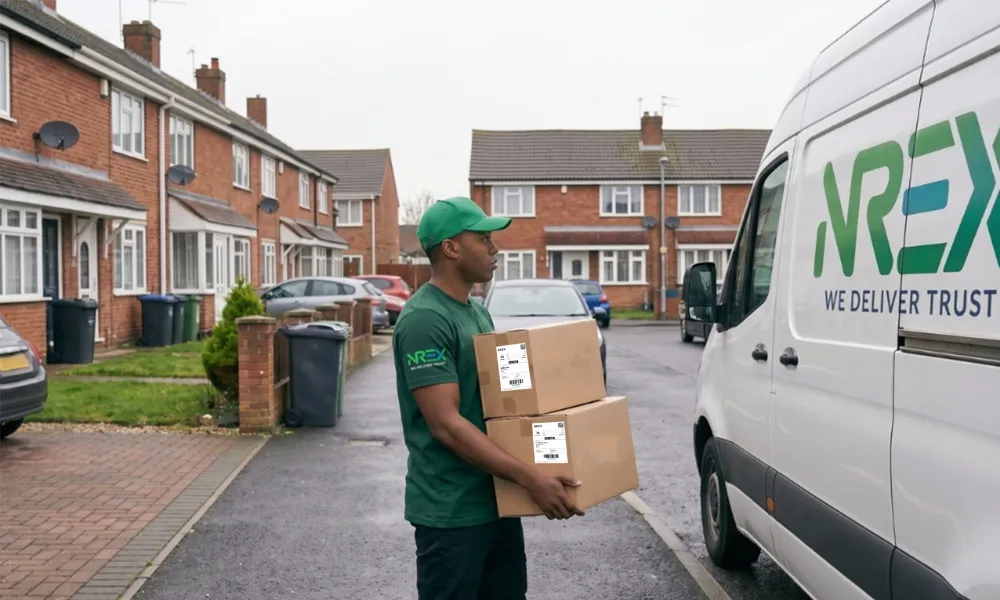
Sending one parcel is easy. Ten parcels? That is where things get messy fast. Bulk parcel sending is how businesses ship multiple packages under one organised arrangement. It cuts costs, saves time, and stops the chaos of booking each order separately.
Retailers, eCommerce sellers, and warehouse teams all rely on bulk shipping to keep things moving. Get it wrong, and you are dealing with delays, damaged goods, and courier headaches. So what does getting it right actually look like?
What Is Bulk Parcel Sending?
Rather than booking every parcel on its own, bulk parcel delivery lets you group orders into one managed collection. One pickup. Multiple destinations. Far less admin.
It works well for anyone sending five or more parcels regularly. The courier collects a consolidated batch instead of returning again and again. Lower cost per parcel, less time wasted, and a much cleaner bulk dispatch process overall.
How to Package Parcels for Bulk Shipment
Packaging matters more than most people think. Before anything gets collected, every individual parcel needs to be properly packed. Skipping this step is how goods get damaged, and refund requests pile up.
Below are the two things to get right before your bulk parcel collection is booked.
Choose the Right Box and Materials
The box is doing all the heavy lifting, so it needs to be strong enough. For anything over 5kg, go with double-walled corrugated cardboard. New boxes only; reused ones lose structural strength and collapse under weight. Glued seams split. Stitched or stapled seams hold. That difference matters a lot during parcel transit when parcels are stacked, moved, and jostled around.
Pack for Protection
A good box with nothing inside it protecting your product is still a bad pack. Fill every gap with bubble wrap, packing peanuts, or crumpled paper. Less movement inside the box means fewer breakages during courier collection and transit. Seal the box properly with strong packing tape. Not masking tape. Not sellotape. Proper heavy-duty tape, generous with it, especially on the seams.
Step-by-Step: How to Book a Bulk Delivery
Booking a bulk delivery is not complicated once you see how it flows. Most courier platforms lay it out in clear steps. Follow this sequence and you will not miss anything.
Enable Bulk Services on Your Account
Log into your account and head to settings. Look for the bulk services toggle and switch it on. Some platforms ask you to confirm terms before it activates. Once it is on, multiple parcel shipping options will start showing up automatically when you request a quote.
Get a Quote and Select a Carrier
Put in your parcel weight, dimensions, and destination. The platform pulls up available carriers with pricing side by side. Compare delivery times against cost. Pick what fits.
Book Your Collection or Drop-Off
Carrier chosen, now book the collection. Pack your individual parcels into one large outer box per courier batch. Schedule a pickup or drop-off, whichever works. Print labels and attach one to each inner parcel. The outer box needs its own documentation too, so depot staff can scan everything inside for onward delivery.
Which Carriers Accept Bulk Parcels?
Not all carriers handle bulk or large parcel shipping, so check before you commit. Many national and international courier companies support bulk parcel shipping across the UK and Europe. Each provider has its own weight limits, delivery options, and pricing structure. Some include business collection as standard with bulk courier services, which removes the need for extra trips.
Size and Weight Limits You Need to Know
Every carrier draws its own line on parcel size limits. Most accept single parcels up to 70kg and lengths up to 200cm. Past that, you are usually looking at pallet or freight options instead. Always check your carrier's specific limits before packing anything. Sending a large parcel shipment that does not meet carrier rules means it gets refused or sent back, which costs you twice.
Why Use a Bulk Shipping Solution?
Bulk shipping solutions do more than reduce costs. They change the whole shape of how you run dispatch, especially as order volumes grow.
Save on Shipping Costs
One collection instead of ten means one fee instead of ten. Bulk courier rates work out cheaper per parcel than individual bookings almost every time. For regular international senders, that gap in parcel delivery costs adds up to real money over a month.
Streamline Your Dispatch Process
One pickup window. One set of documentation. No waiting around for three different couriers at different times. Bulk parcel management through a single platform like the NREX courier platform gives you order oversight, shipment tracking, and performance data all in one place. Their mobile app means you can manage collections and monitor deliveries without being at a desk.
Transit Cover and Extra Considerations
Insurance is not optional when you are sending multiple parcels at once. Parcel transit cover protects against loss or damage during delivery. Basic cover comes with most services but rarely matches the full value of goods. Top it up for anything high-value. For very heavy or awkward loads, pallet shipping through a specialist service is the smarter call over standard bulk courier options.
FAQs
What is the difference between bulk shipping and standard parcel delivery?
Bulk shipping combines multiple parcels into one managed collection. Standard delivery treats every parcel as a separate booking, with individual costs and multiple pickup arrangements involved.
How many parcels do I need before bulk shipping is worth it?
Most businesses find bulk shipping cost-effective from five or more parcels per dispatch. The more you send regularly, the more you save on both collection fees and admin time.
Can I send bulk parcels internationally from the UK?
Yes. Several major carriers handle international bulk parcel delivery from the UK. A courier comparison platform helps you find and compare international bulk rates quickly.
Do all bulk parcels need printed labels?
Yes. Every inner parcel needs its own label attached. The outer collection box also needs documentation so depot staff can identify and scan each parcel for delivery.
What packaging is best for a bulk shipment?
Double-walled cardboard boxes for each individual parcel. Fill all internal space, seal with heavy-duty tape, then group packed parcels together for a single courier collection.