How to Send a Parcel in the UK - The Smart Way
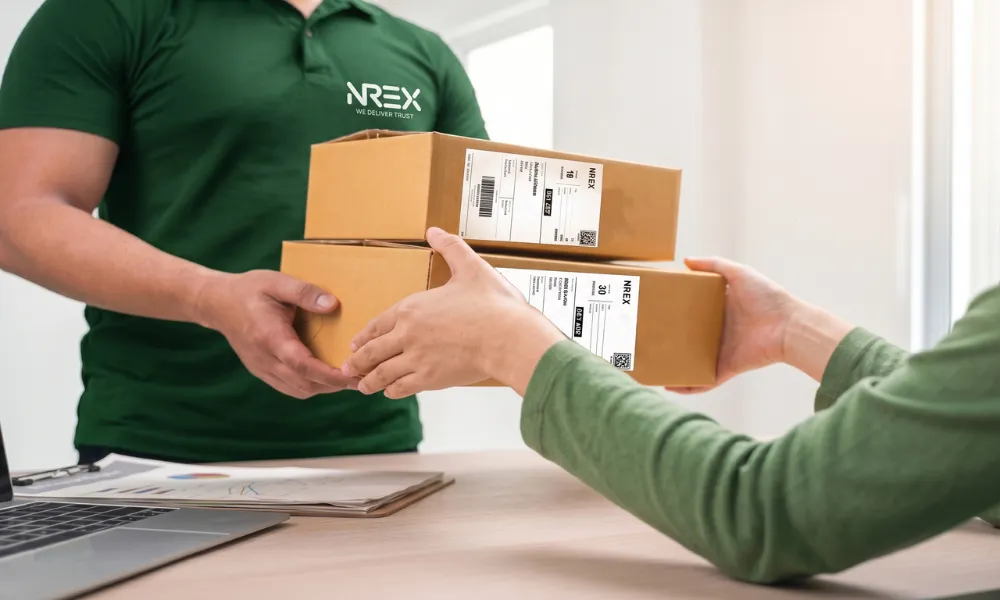
Sending a parcel in the UK sounds straightforward until you are standing at a counter, not knowing if you have picked the right service, overpaid, or packed it wrong. Most people spend more than they need to simply. This is because they have not compared their options or understood what actually affects the price.
The best way to send a parcel comes down to three things: weight, delivery speed, and how you book it. Nail those three, and the rest is easy. If you are sending a gift, returning an online order, or running a small business, a reliable next-day delivery service built for modern UK senders can save you both time and money.
How Parcel Weight And Size Affect Your Cost
Though the weight is the first thing any courier looks for, size plays a crucial role, too. The majority of carriers determine a thing called volumetric weight, which means that a large light box will be the same worth to send as a genuinely heavy box. If you know the exact size of your parcel before booking, you'll avoid displeasing the checkout staff. Here are a few quick tips before making a booking:
Parcel Weight | Recommended Service Type | Booking Tip |
Under 2kg | Standard / Economy | Cheapest tier, always book online |
2kg – 15kg | Standard / Tracked | Compare prices before committing |
15kg – 30kg | Heavy Parcel Service | Look for home collection options |
30kg+ | Freight / Specialist | Consider splitting into two parcels |
Getting weight and size right from the start is the simplest way to avoid paying for a tier you don't need, and it takes less than two minutes with a tape measure and kitchen scales.
The Smartest Ways To Cut Your Delivery Costs
Most people overpay on parcel delivery, not because good options don't exist, but because they don't take two minutes to prepare properly.
Measure your parcel carefully, even being slightly over a size band triggers a higher rate.
Reuse sturdy boxes, pack items tightly, and avoid excess padding that adds unnecessary weight without protecting anything extra.
Dropping your parcel off at a local collection point rather than booking a home pickup removes a fee many senders don't even notice they're paying.
For anything non-urgent, a 2–3 day economy service costs significantly less than next-day without any real trade-off.
One of the most effective ways to cut costs is simply choosing a courier with transparent, weight-based pricing and no hidden surcharges. NREX LTD, for example, starts next-day UK delivery from just £3.20, with free label printing, real-time tracking, and complimentary cover included at no extra cost. For regular senders and small businesses, that kind of pricing adds up to serious savings over a month.
Small habits like these add up to real savings across a month of regular sending.
Why Booking Online Always Works Out Cheaper
If you are still booking parcel deliveries in person at a branch or counter, you're almost certainly overpaying. Online booking unlocks lower rates, promotional pricing, and the ability to print your own label at home rather than paying for one at the counter.
You also get a clear view of the full cost, including any surcharges, insurance, and tracking, before you confirm anything. The shift from walk-in to online booking is one of the easiest savings available and takes less than five minutes once you know where to go. Platforms built around transparent pricing make this even simpler, so you're never guessing what you will pay before your parcel goes out the door.
Platforms like NREX LTD are built around exactly this principle; transparent pricing, instant quotes, and a booking flow that takes under two minutes on their website or mobile app. You see the full cost upfront, print your label for free at home, and get a confirmation in your inbox the moment you book. No surprises, no counter queues, no overpaying.
Tracking Your Parcel And Staying In Control
Once a parcel leaves your hands, a tracking number is what keeps you connected to it. It gives you real-time location updates, an estimated delivery window, and a reference point if anything needs to be raised.
Around 80% of UK consumers now track their parcels online; it's become a basic expectation, not a luxury. If your delivery requires a signature or carries high value, knowing exactly when it's arriving helps you plan and avoid missed delivery attempts. Having a platform that tracks shipments in real time from your phone makes the whole experience significantly less stressful for both sender and recipient.
Packing Properly To Avoid Damage And Delays
Good packaging is what stands between your item and a rough journey through the sorting system. Here's a simple checklist to make sure you've covered everything before sealing the box:
Packing Step | Why It Matters |
Use a sturdy, clean box | Weak boxes collapse under stacking pressure |
Wrap fragile items in bubble wrap | Absorbs shock during transit and handling |
Seal with strong tape on all edges | Single-strip sealing is a common cause of parcels opening |
Write the address clearly on the outside | Illegible labels cause delays and failed deliveries |
Include a return address inside | Gives the courier options if first delivery fails |
Add insurance for valuable items | Basic cover is usually capped at £50 as standard |
A well-packed parcel is faster, easier to handle for the packer and is practically guaranteed to be in better condition than an off the cuff parcel.