How to Pack a Parcel for Delivery | NREX Guide
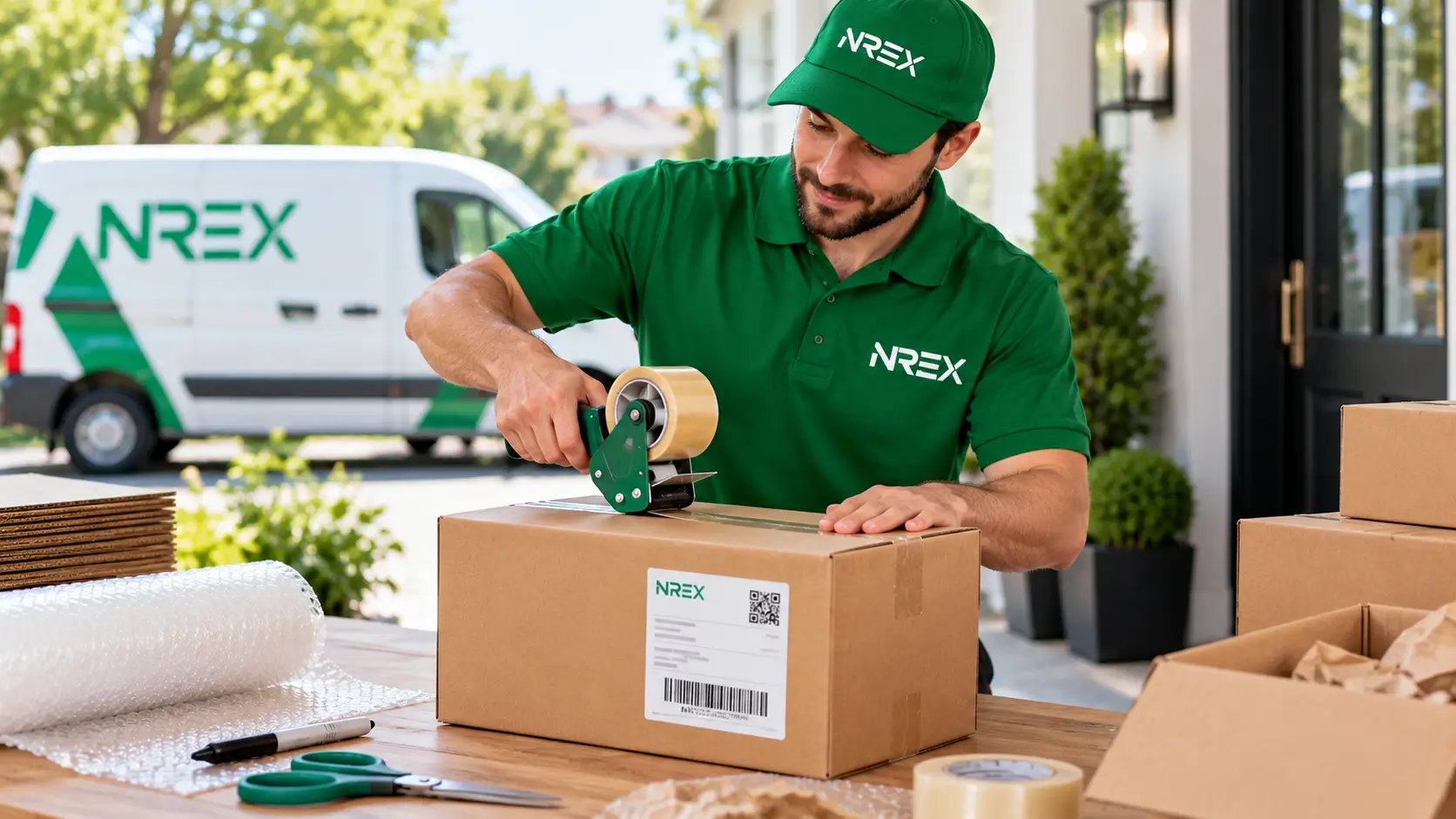
Once your parcel leaves your hands, it gets lifted, stacked, scanned, sorted and loaded onto vans, sometimes several times before it arrives. Good packaging is what keeps your items safe through all of it.
Knowing how to pack a parcel for delivery isn’t complicated. Choose a suitable box, use enough cushioning, seal it properly and attach a clear label. Get those four things right and your parcel has the best chance of arriving exactly as you sent it.
What Do You Need to Pack a Parcel?
Before you start, gather everything in one place. Use this quick checklist:
A strong cardboard box or suitable outer packaging
Bubble wrap or other protective cushioning
Packing paper or void fill such as air pillows
Strong packing tape (parcel tape, not sticky tape)
Scissors or a tape dispenser
The correct delivery label, printed and ready
Having the right materials ready saves time and stops you cutting corners halfway through.
Step-by-Step to Pack a Parcel for Delivery
Follow these seven steps in order. They work for most everyday parcels, from clothes to kitchenware.
Step 1: Choose the Right Box
Pick a sturdy box that suits your item’s size, shape and weight. Leave room for cushioning on every side, but not so much that the item can slide around. Heavy items need a double-walled box.
If you’re reusing a box, check it carefully. It should be clean, dry and free from tears, dents or crushed corners. Remove or fully cover any old labels and barcodes so they can’t be scanned by mistake.
Step 2: Wrap and Protect Your Items
Wrap each item individually. Bubble wrap works well for anything delicate, while packing paper is fine for sturdier items like books or clothing. Match the protection to what you’re sending: a mug needs much more cushioning than a jumper.
Step 3: Fill Empty Spaces Inside the Box
Empty space is where damage happens. Fill every gap with packing paper, air pillows or other void fill so nothing moves. A simple test: close the box and give it a gentle shake. If you can hear or feel movement, add more filling.
Step 4: Seal the Parcel Securely
Knowing how to seal a parcel for delivery properly makes a big difference. Use strong packing tape across the main opening, then tape along every seam and edge. The “H-tape” method, taping the centre seam and both side edges, works well for most boxes.
Avoid using string or loose paper wrapping on its own. Standard courier networks often use automated sorting machines, and strings can catch, snap or tangle.
Step 5: Attach the Delivery Label Correctly
Place the label flat on the largest side of the box, where it’s easy to see. Make sure the address and barcode are clear, unwrinkled and not covered by tape. Don’t place it over seams or edges, and remove or cover any outdated shipping labels.
Step 6: Measure and Weigh Your Packed Parcel
Measure and weigh the parcel after packing, not before. The final figures must include the box, cushioning and tape. Then check your courier’s size and weight limits before booking, so there are no surprise charges or rejected parcels.
Step 7: Check the Parcel Before Sending It
Do a final check before it goes:
Nothing rattles or shifts inside
All seams are firmly taped
The label is visible and readable
Booking details match the parcel’s real size and weight
Nothing inside is a restricted or prohibited item
How to Pack Fragile Items for Delivery
Fragile items need extra care. These parcel packaging tips will help them survive the journey.
Packing Glassware, Ceramics and Ornaments
Wrap every piece individually in several layers of bubble wrap. Keep items apart so they don’t touch, and make sure there’s cushioning on every side, including the top and bottom of the box. Fill hollow items like glasses or vases with paper too.
Packing Electronics and Valuable Items
Original retail packaging is designed for shop shelves, not courier handling, so it often isn’t enough on its own. Place the boxed item inside a larger, sturdy outer box with cushioning all around it. Remove batteries where possible, and check your courier’s rules on items that contain lithium batteries.
Packing Multiple Items in One Box
Wrap each item separately and use cardboard dividers to stop them knocking into each other. Put heavier items at the bottom and lighter ones on top.
What Are the Most Common Parcel Packing Mistakes?
Even careful senders slip up. Watch out for these:
Using a weak, damaged or unsuitable box
Leaving empty spaces inside the package
Using too little cushioning for fragile contents
Sealing with weak tape or string
Covering the label, or leaving old barcodes visible
Ignoring courier size, weight or prohibited-item rules
Relying on a “Fragile” sticker instead of proper packaging
How to Prepare Your Parcel for Courier Collection or Drop-Off
Once your parcel is packed, a few final checks make the hand-over smooth. This is the last stage of learning how to prepare a parcel for delivery:
Check your chosen courier’s booking and courier parcel packaging requirements
Confirm the packed weight and dimensions
Keep the label accessible and readable
See whether the service offers collection, drop-off, or both in your area
Review any restrictions before booking
At NREX, you can compare delivery options, including faster services such as next day delivery where available for your route, and choose the collection or drop-off option offered for your selected service and location.
FAQs
What Is the Best Way to Pack a Parcel for Delivery?
Use a sturdy box, wrap items individually, fill all gaps with cushioning, seal every seam with strong tape and attach a clear label.
Can I Reuse a Cardboard Box to Send a Parcel?
Yes, as long as it’s clean, dry, structurally sound and free of old shipping labels or barcodes.
How Much Cushioning Should I Put Inside a Parcel?
It depends on the item’s fragility, weight and shape. As a rule, fill every gap so nothing can move.
How Should I Pack Fragile Items for Shipping?
Wrap each item separately, keep items apart, cushion all sides and check your courier’s requirements before sending.
Where Should I Put the Shipping Label on a Parcel?
Put it flat on the largest, clearest surface, away from seams, folds and anything that blocks the barcode.
Should I Measure My Parcel Before or After Packing It?
After. Final measurements and weight must include all the outer packaging.
Does a Fragile Sticker Guarantee Safe Delivery?
No. A sticker can help, but it doesn’t replace proper packaging and cushioning.
Conclusion
Packing a parcel well comes down to a few simple habits. Pick a strong box that suits the item, wrap everything carefully, fill every gap, seal all the seams and stick a clear label on top. Measure and weigh the finished parcel, then give it one last check before it goes.
A few extra minutes of packing can save you the stress of a damaged delivery. Once your parcel is ready, book your delivery with NREX and send it on its way with confidence.