How Next-Day Delivery Quietly Became a Business Essential
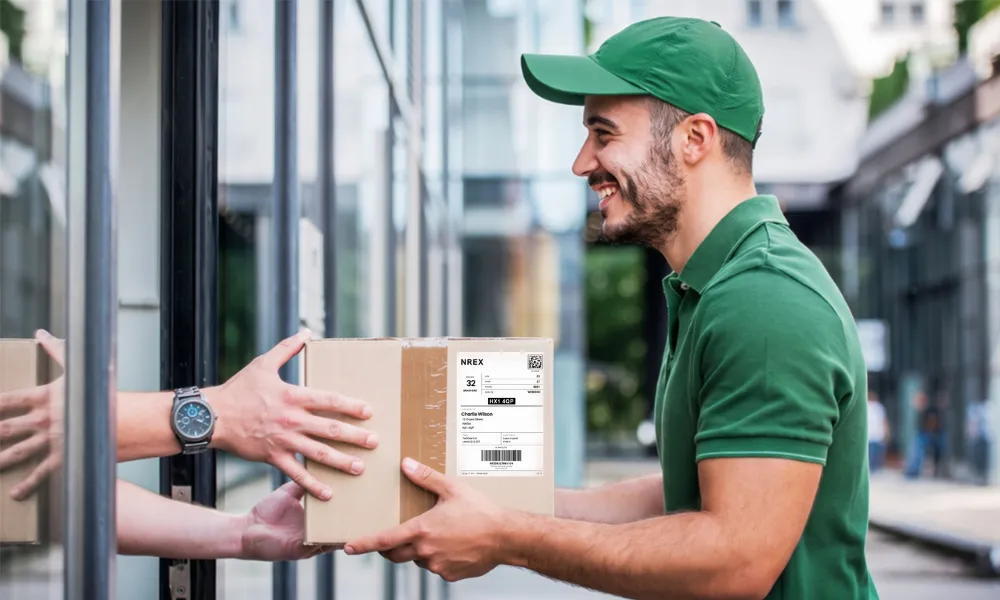
Fast delivery now shapes how people shop across the UK, and the numbers make that clear. More than 60 percent of shoppers say it directly influences where they buy. Next day delivery sounds simple. Place an order today and receive it tomorrow.
In reality, delivering on that promise every single time takes careful planning and consistent execution. Most people never think about what happens after they click buy and before the doorbell rings. Yet those unseen steps matter the most.
From order processing to sorting and final mile delivery, each stage plays a role in the outcome. When everything works together, the experience feels effortless. When something slips, the entire delivery quickly turns into a frustrating problem.
What Next-Day Delivery Actually Means
Not many people think about this until it catches them out. Next-day delivery feels like a pretty self-explanatory thing but there is a cut-off time sitting quietly in the small print that changes everything.
Most couriers stop accepting same-day collections somewhere between 3pm and 5pm. Book anything after that and the whole process starts fresh the next morning. So that evening order placed at 6pm with a next-day label on it is already a day behind before anyone has even touched it.
A 6pm order with a next-day promise is already running a day late before it's been picked up. Knowing this upfront stops a lot of awkward conversations with unhappy customers later on.
Why Speed Has Become Non-Negotiable in the UK
British shoppers have been spoiled by fast fulfilment and there's no walking that back now. The UK sits among Europe's most competitive e-commerce markets and that's shaped what people treat as a baseline expectation.
Next-day delivery no longer feels like a premium add-on in retail, healthcare, or legal services. It feels like the bare minimum. Fast delivery paired with poor reliability does more reputational harm than offering no express option at all. A courier network is only as good as its worst day.
How Businesses Can Use Next-Day Delivery Strategically
Slapping "next-day delivery" on a product page and hoping for the best isn't a strategy. Businesses that actually think it through, showing cut-off times clearly and managing expectations honestly, tend to hold onto customers far longer.
Real-time tracking takes a surprising amount of stress out of the post-purchase experience for everyone involved.
For businesses looking to deliver parcels faster across the UK, building that visibility into the process is one of the smartest operational moves available. People can handle waiting a day but what they genuinely can't stand is being kept completely in the dark.
Common Mistakes That Slow Things Down
Most next-day delivery failures don't actually start with the courier. They start much earlier. Wrong address details cause more delivery failures than almost anything else and that is just the reality of it.
A missing flat number or a slightly off postcode and suddenly the parcel is going nowhere. Miss the cut-off window by five minutes and an entire extra day gets added on, no heads up, no warning, just a delay.
Sorting facilities move at serious pace and a smudged label or a barcode that won't scan simply gets pulled aside without a second thought. Taking a few extra minutes to check these things before anything goes out the door is such a small ask but it genuinely changes outcomes and gives customers a reason to come back.
What to Look for in a Provider
Coverage is the first thing worth checking carefully. A courier might perform brilliantly across London but genuinely struggle with rural Scottish postcodes or Northern Irish addresses.
Consistent national coverage is a far more valuable proposition than strong regional performance alone. Proof of delivery protects businesses when disputes arise.
Strong, responsive customer support tells the real story about whether a provider actually stands behind its next-day delivery service when something goes wrong.
The Real Cost of Getting It Wrong
Failed deliveries cost UK businesses hundreds of millions of pounds every single year. Smaller businesses feel the financial hit of failed deliveries much more sharply because there simply is not enough padding to soak it up.
A few bad experiences and the reputation starts taking a knock too. But businesses that actually follow through on their next-day delivery promise consistently tend to earn a level of customer loyalty that takes competitors a long time to break into.
Switching from one brand to another has never been easier for shoppers, so reliable parcel delivery ends up being one of the quietest but most powerful things a business can get right over time.
Is Next-Day Delivery Right for Every Shipment?
Honestly, not always. Next-day delivery earns its place when something genuinely needs to get there fast, think urgent replacements, last minute gifts or medical supplies. For heavier items or things nobody is in a rush to receive, standard delivery makes far better financial sense all round.
Giving customers the option to choose speed rather than forcing it on everyone tends to go down really well. People like knowing what they are paying for and not being charged for something they never needed in the first place builds a kind of goodwill that genuinely lasts.
Ready to Make Every Delivery Count?
The UK logistics landscape is moving fast and next-day delivery sits right at the centre of it. NREX is building a smarter courier platform for businesses and individuals who treat delivery as a genuine priority rather than an afterthought. Getting on board early puts operations in a strong position well before demand peaks.
FAQs
What is the cut-off time for next-day delivery in the UK?
Most UK couriers stop accepting collections somewhere between 3pm and 5pm. Book after that point and the parcel most likely turns up two days later rather than one.
Does next-day delivery work on weekends?
Saturday next-day delivery is available through some couriers but Sunday is a different story altogether. It is rare, usually costs noticeably more, and worth confirming before any promises get made to customers.
Is next-day delivery available across all UK postcodes?
Most towns and cities get covered without any issues. Rural areas and parts of the Scottish Highlands are a different matter though and often fall outside the standard next-day delivery zones entirely.
What happens if a next-day delivery is missed?
The courier will generally try again the following day or pop a card through with instructions for rescheduling. Businesses with account setups tend to get a bit more control over how that situation gets sorted.
How can businesses reduce failed deliveries?
Getting the address right, booking well before the cut-off, packing things properly and using a courier with decent tracking all add up to fewer failed next-day delivery attempts.
Is next-day delivery worth the extra cost for small businesses?
For anything urgent or high value it absolutely is. For routine low margin shipments though standard delivery almost always makes more sense financially.